
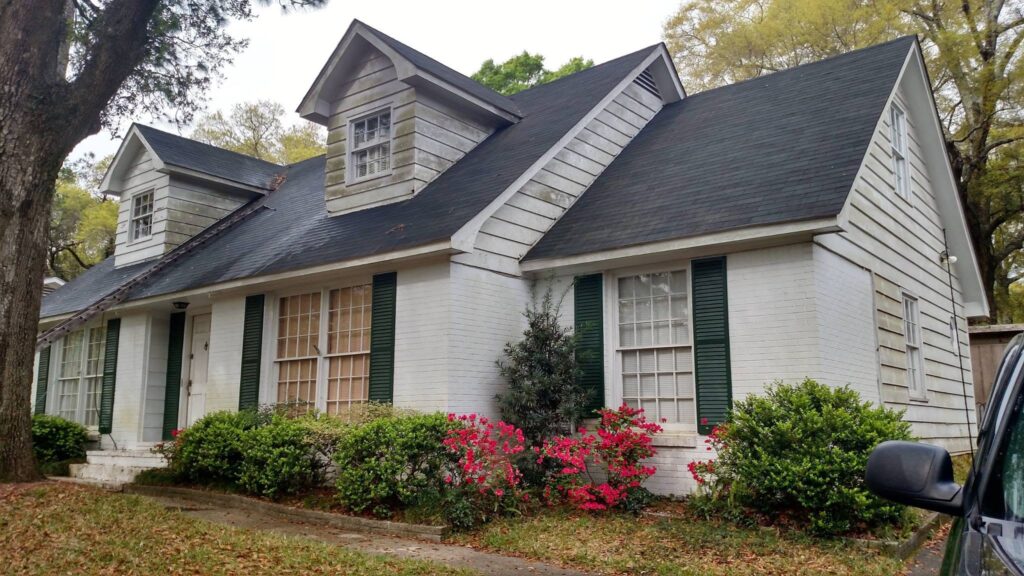
How Do You Know If Your Roof Needs Repair or Replacement in Mobile, AL?
A leaking or storm-damaged roof can leave homeowners unsure whether they need roof repair or replacement in Mobile, AL. Some roofing problems can be corrected with a targeted repair, while widespread deterioration may make a complete replacement the better long-term choice. For homeowners in Mobile, the decision can be particularly important because roofs face heavy rain, high humidity, strong winds, heat, and seasonal storms. Recognizing the warning signs early can help prevent water damage and more expensive structural problems. Streamline Construction provides residential roofing services in Mobile, helping homeowners evaluate roof damage and determine an appropriate solution based on the roof’s actual condition. Roof Repair vs. Roof Replacement: What’s the Difference? The main difference between roof repair and roof replacement is the extent of work required. What Does Roof Repair Involve? A roof repair addresses a specific damaged area while leaving most of the existing roofing system intact. Repair may be appropriate for problems such as: A few missing or damaged shingles A localized roof leak Damaged flashing Minor wind damage Small areas of water intrusion For a relatively healthy roof, professional roof repair in Mobile, AL can correct the immediate problem without replacing the entire roofing system. What Does Roof Replacement Involve? Roof replacement involves removing or covering the existing roofing materials according to the appropriate installation method and installing a new roofing system. A roof replacement in Mobile, AL may become necessary when deterioration is widespread, leaks repeatedly return, structural components are damaged, or the roof is approaching the end of its useful service life. What Are the Signs Your Roof Only Needs Repair? Not every roofing problem requires a new roof. Several conditions may indicate that a targeted repair is sufficient. Damage Is Limited to a Small Area If only a small section has cracked, lifted, torn, or missing shingles, the damaged materials may be replaceable without disturbing the rest of the roof. You Have One Localized Roof Leak A single leak does not automatically mean the entire roof has failed. Water can enter around flashing, vents, chimneys, fasteners, or other roof penetrations. A professional roof leak repair can often solve the problem when the leak source is isolated and the surrounding roofing materials remain in good condition. The Roof Is Still in Good Condition Overall Roof age matters, but condition matters too. A newer or well-maintained roof with isolated damage may be a much better candidate for repair than one showing deterioration across multiple areas. The Roof Deck Is Structurally Sound If the decking and supporting components remain solid, repairing localized surface damage may be practical. An inspection can help determine whether deterioration extends beneath the visible roofing material. What Are the Signs You May Need a Full Roof Replacement? A replacement becomes more likely when problems are no longer isolated. Your Roof Has Widespread Shingle Damage Look for warning signs such as: Curling shingles Cracked or torn shingles Missing shingles across several areas Significant granule loss Large sections damaged by wind or weather Widespread deterioration can make repeated repairs less practical. Roof Leaks Keep Coming Back If you repair one leak only to discover another elsewhere, the problem may involve more than one vulnerable area. Recurring roof leaks can indicate aging materials, failed flashing, deteriorated underlayment, or broader roofing-system problems. You Notice Sagging or Structural Problems A sagging roof deserves prompt professional attention. Sagging areas, soft decking, rotted wood, or visible structural movement can indicate damage beneath the roofing materials. There Is Widespread Moisture Damage Water stains on ceilings, damp attic materials, deteriorated decking, or leaks in several rooms may indicate extensive water intrusion. Ignoring roof water damage can allow the problem to spread into insulation, ceilings, walls, and structural materials. Your Roof Is Near the End of Its Useful Life There is no single replacement age that applies to every roof. Lifespan varies according to roofing material, installation quality, maintenance, ventilation, weather exposure, and previous damage. An older roof that also has recurring leaks or widespread deterioration is more likely to need replacement. How Does Mobile, AL Weather Affect Your Roof? Mobile’s Gulf Coast environment can put considerable stress on residential roofs. Heavy rainfall can expose weak flashing or damaged shingles. Strong winds can loosen roofing materials, while wind-driven rain can enter vulnerable areas. Heat and humidity can also contribute to long-term material deterioration and moisture problems. Tropical storms and hurricane conditions create another concern for local homeowners. Even when a storm does not cause an obvious leak, high winds can lift shingles or damage components that protect the roof from water. For this reason, storm damage roof repair in Mobile, AL often begins with a careful inspection rather than relying only on damage visible from the ground. Should You Repair or Replace a Roof After Storm Damage? Localized storm damage may be repairable, while widespread wind, water, decking, or structural damage may justify replacement. When Storm Damage May Be Repairable Repair may be appropriate when damage involves a limited number of shingles, a small flashing issue, or another isolated section and the rest of the roofing system remains sound. When Storm Damage May Require Replacement Replacement may be considered when a storm damages large portions of the roof, causes multiple leaks, compromises the decking, or exposes significant structural problems. A roof inspection after a storm is the safest way to understand the actual scope of damage. How Can a Roof Inspection Help You Decide? A professional roof inspection in Mobile, AL can help distinguish a minor repair from a larger roofing problem. A contractor may evaluate: Shingle condition Flashing Roof penetrations Leak locations Roof decking Moisture damage Drainage and gutters Structural condition Visible storm or wind damage The goal is to identify the source and extent of the problem instead of making a decision based on one visible symptom. Is It Cheaper to Repair or Replace a Roof? Repair usually requires a lower upfront investment when damage is isolated. However, repeatedly repairing an aging or severely deteriorated roof can become expensive over